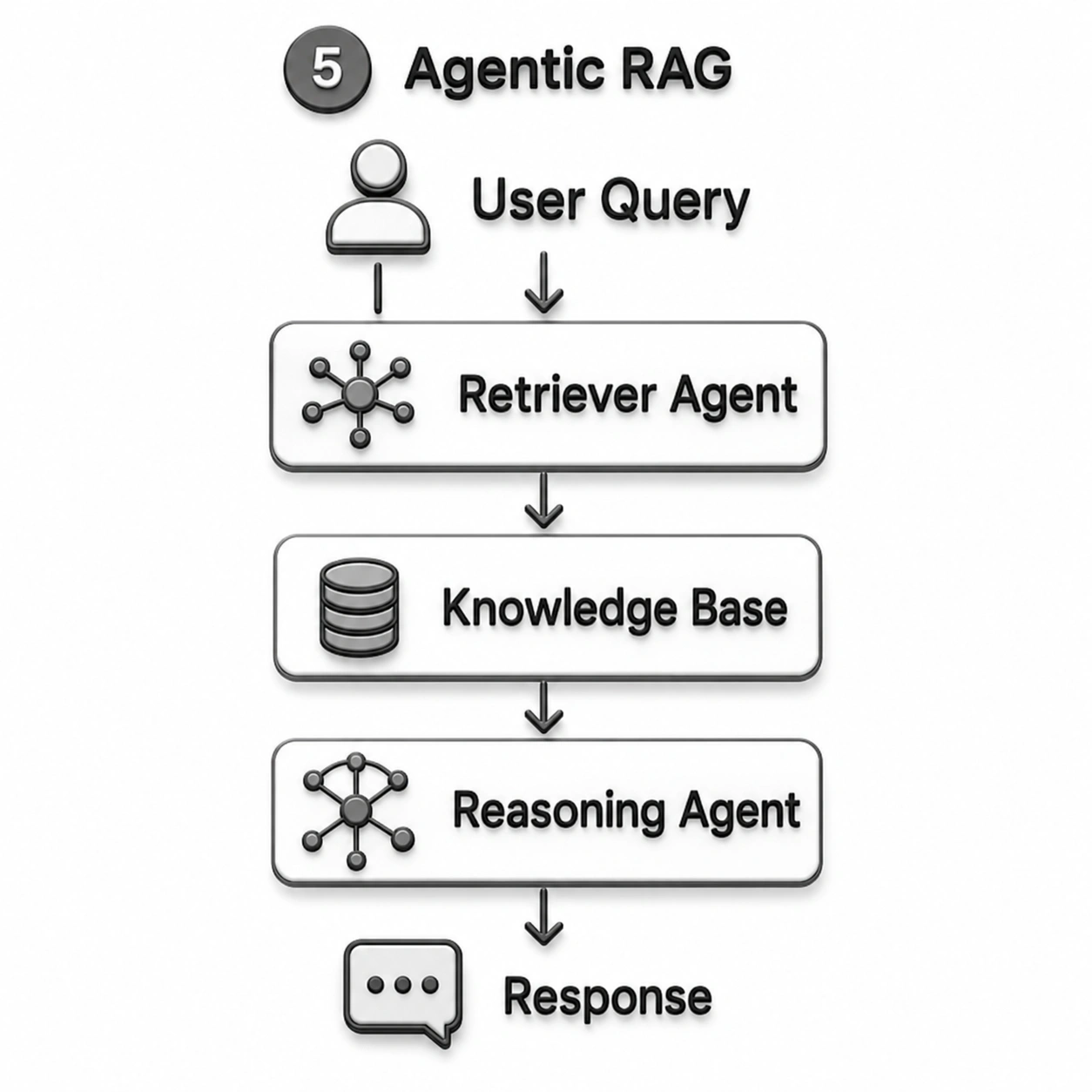
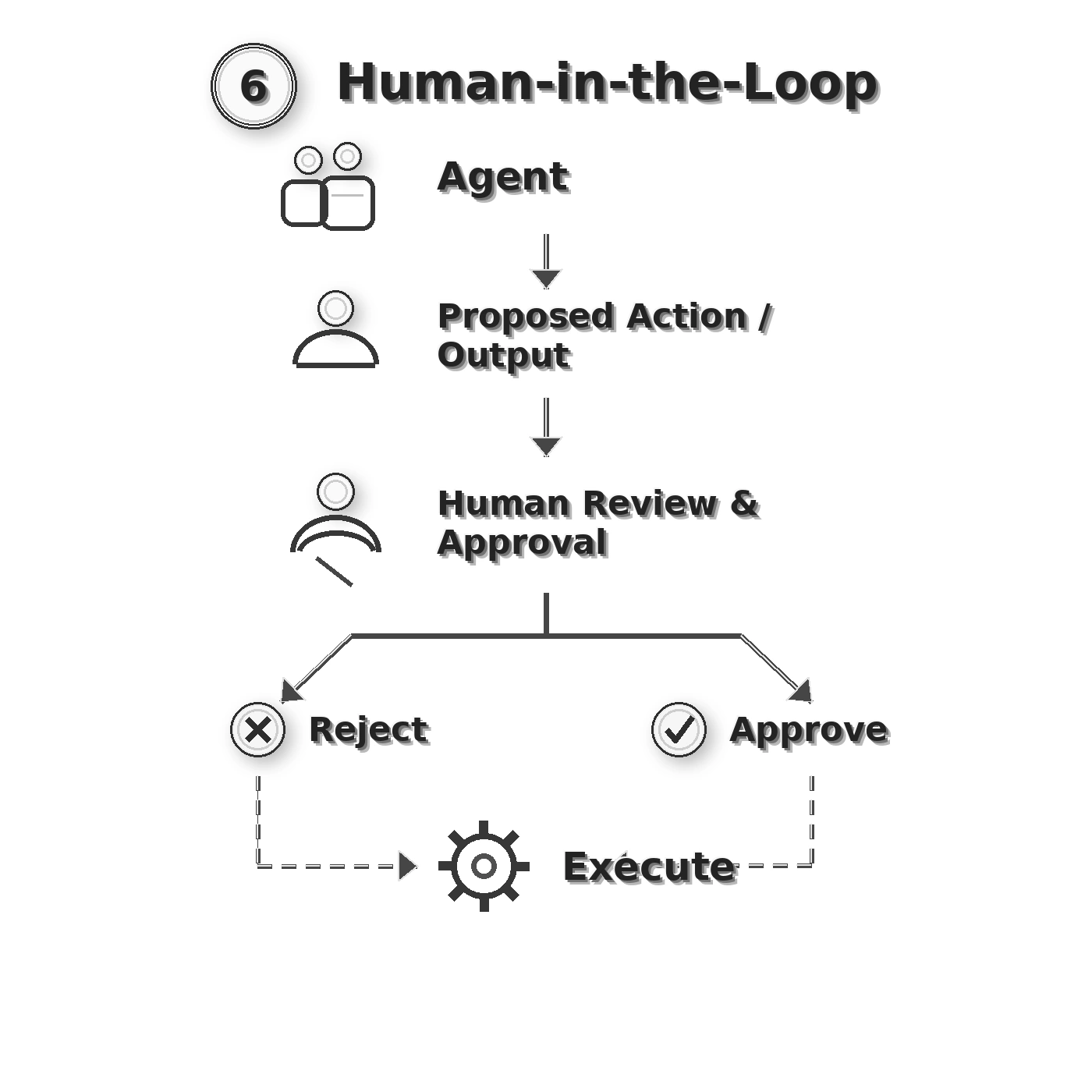
Enterprise Agents perceive goals, reason, plan, use tools, collaborate, and execute actions to automate business processes and deliver measurable outcomes at scale.
Reduce manual work and turnaround time
Data-driven insights and decision support
Empower teams to achieve more
Optimize operations and resource usage
Enterprise Agents perceive goals, reason, plan, use tools, collaborate, and execute actions to automate business processes and deliver measurable outcomes at scale. Here's why enterprises are investing in agentic systems:
Agents run continuously, applying the same logic and quality bar on every task, day or night.
Break down goals into steps, orchestrate tools, and carry state across a full workflow.
Connect directly to CRMs, ERPs, ticketing systems, and internal APIs to take real action.
Capture feedback and outcomes to refine future plans and decisions.
Specialized agents work together, delegating tasks to solve problems no single agent could handle alone.
Built-in guardrails, approvals, and observability keep every action compliant, secure, and fully auditable.
Reduce operational expenses, optimize resource allocation, and scale processes efficiently with intelligent automation.
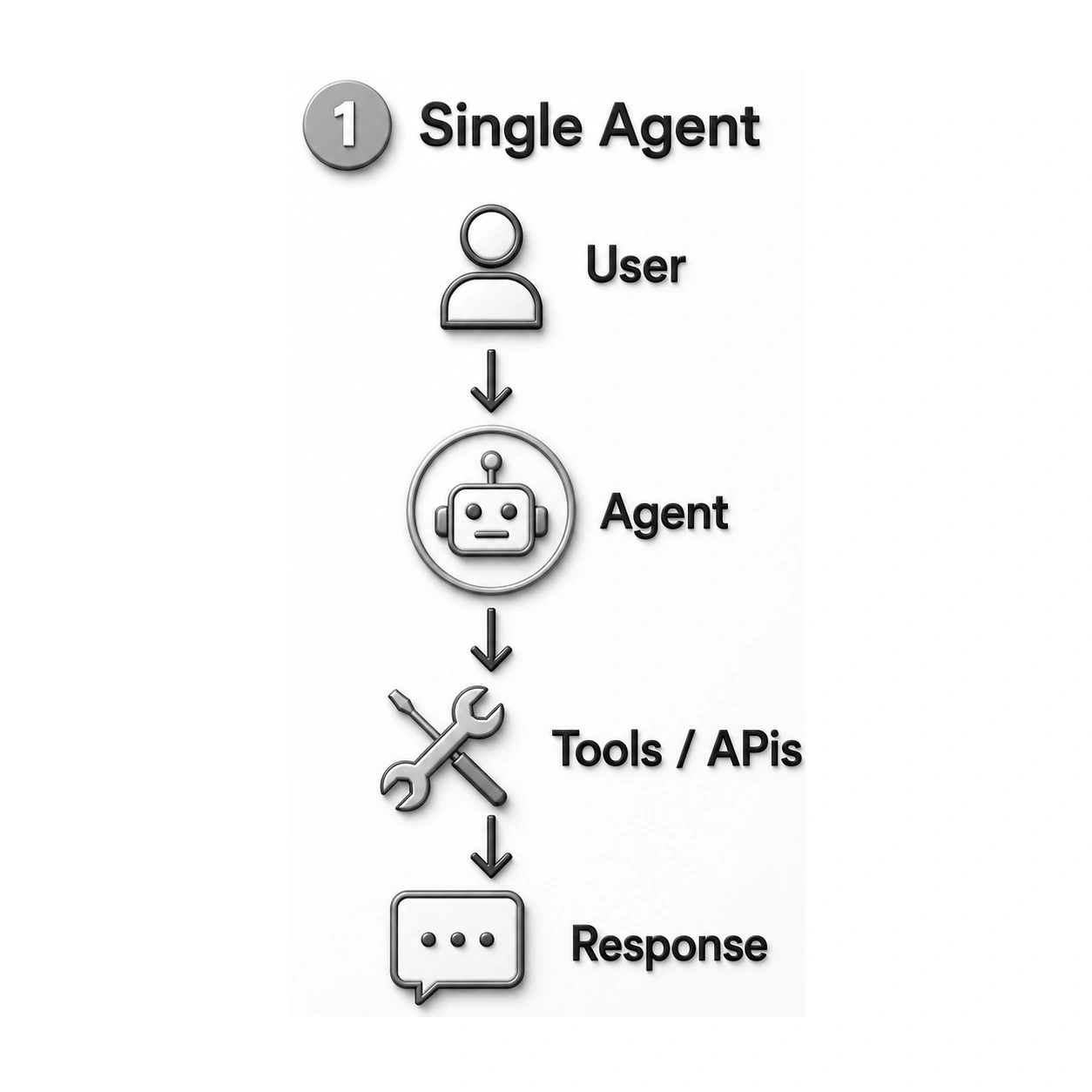
From scripted responses to collaborative, interconnected agent ecosystems.
Reasoning + Acting in a feedback loop.
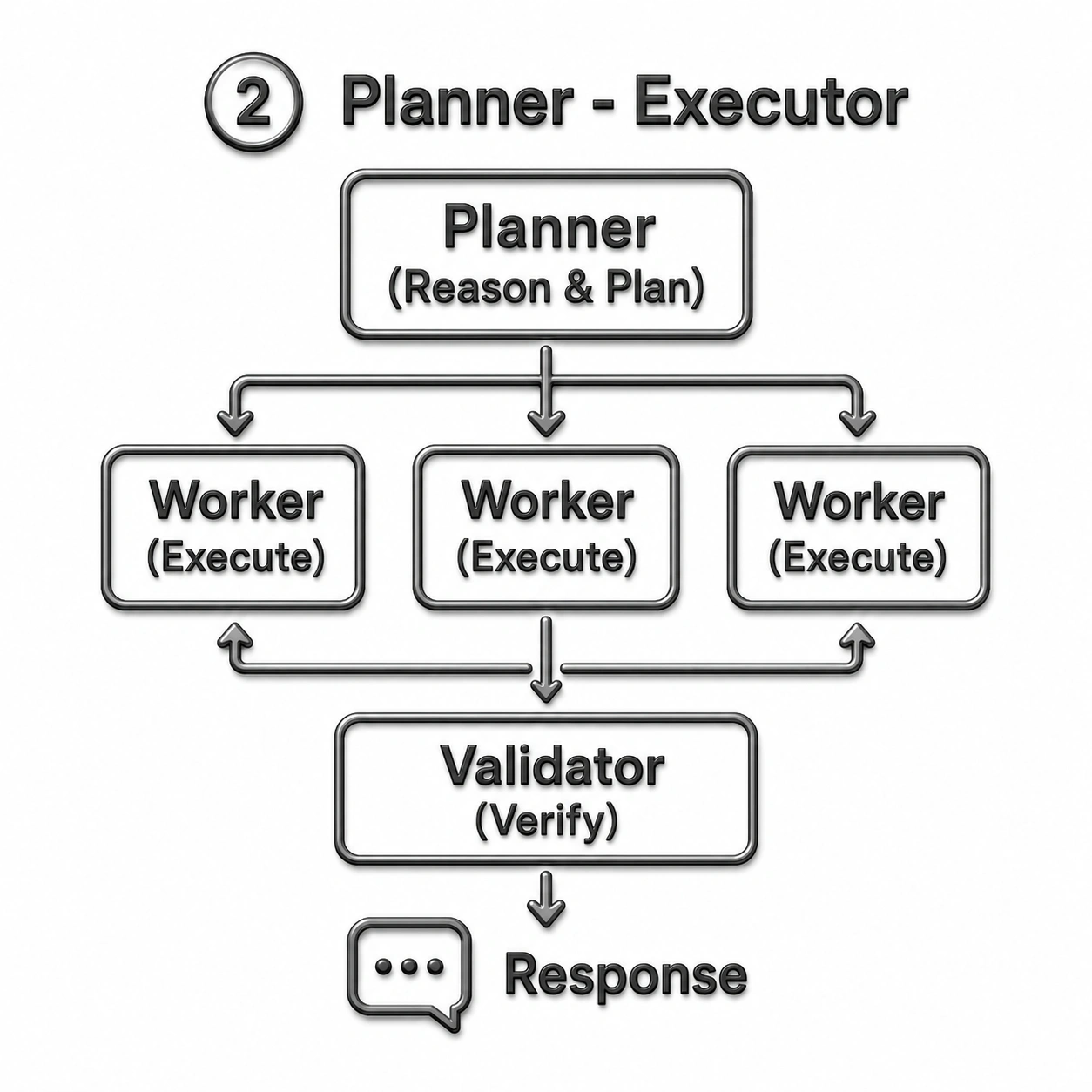
Plan first, then execute step by step.
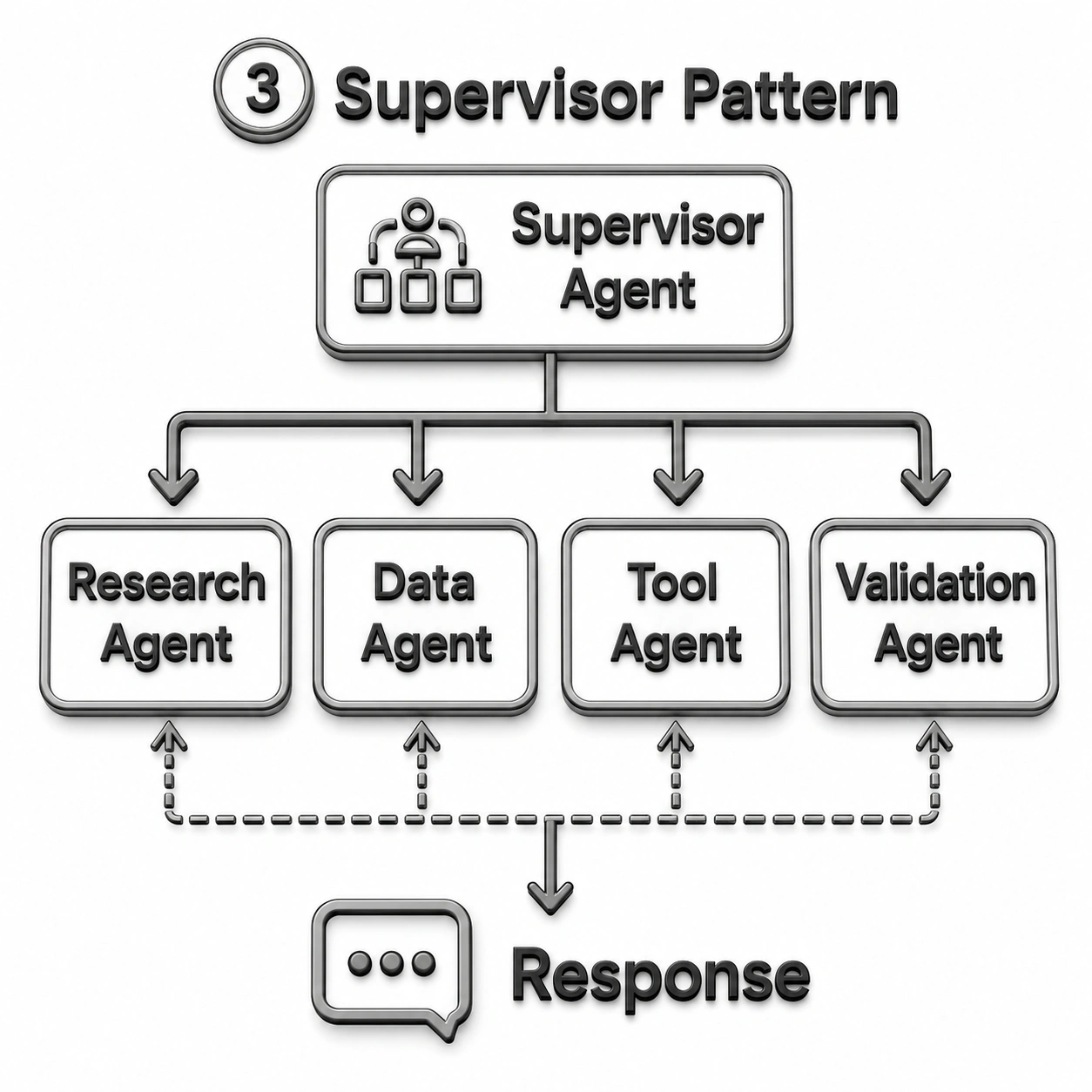
Supervisor delegates to specialized workers.
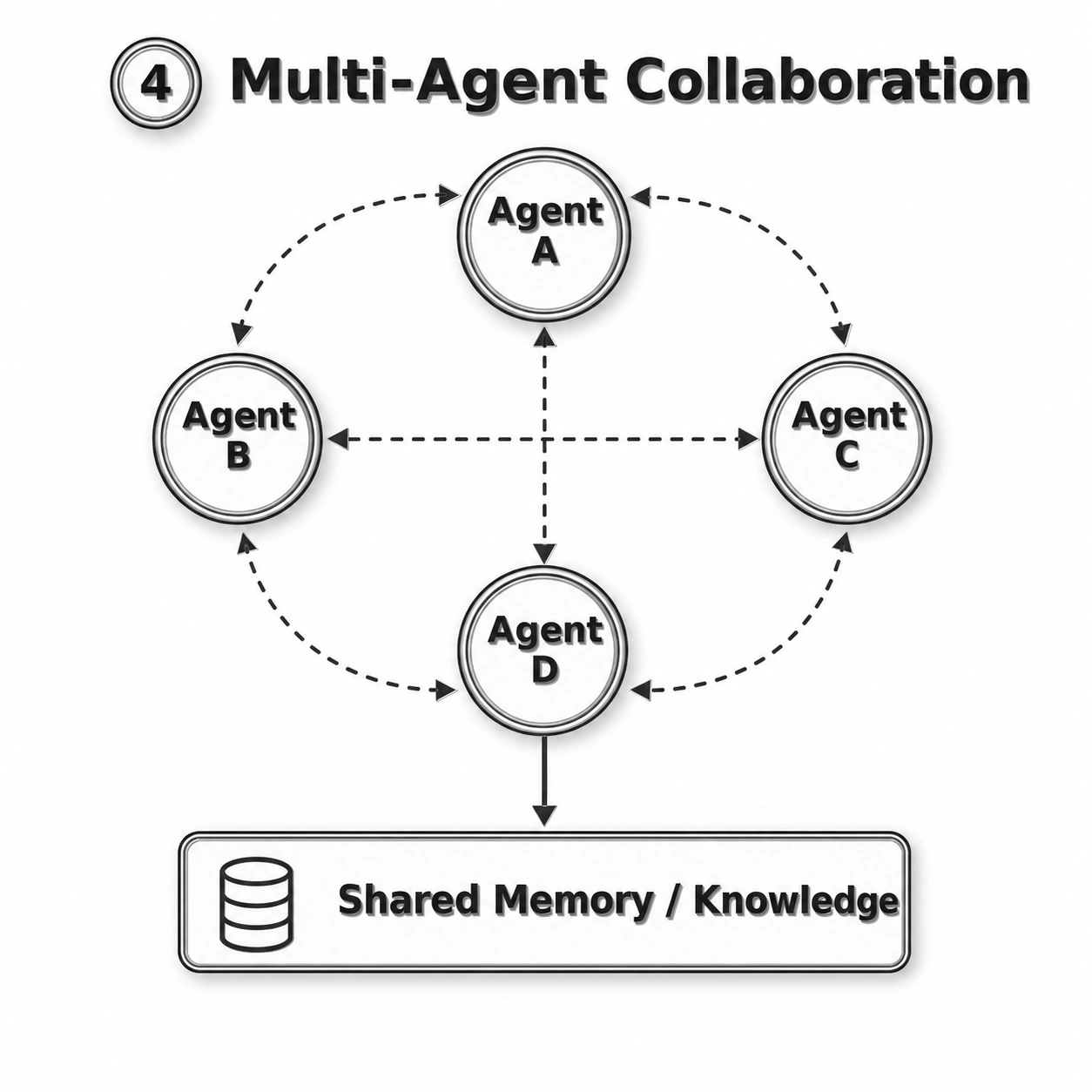
Decentralized agents collaborating.
Multi-level delegation and control.
Domain specific agent workflows.
Core capabilities that power intelligent agents and multi-agent systems in the enterprise.
Understand objectives, capture user intent, define success criteria and align with business goals.
Task decomposition, workflow generation, step orchestration and dynamic replanning.
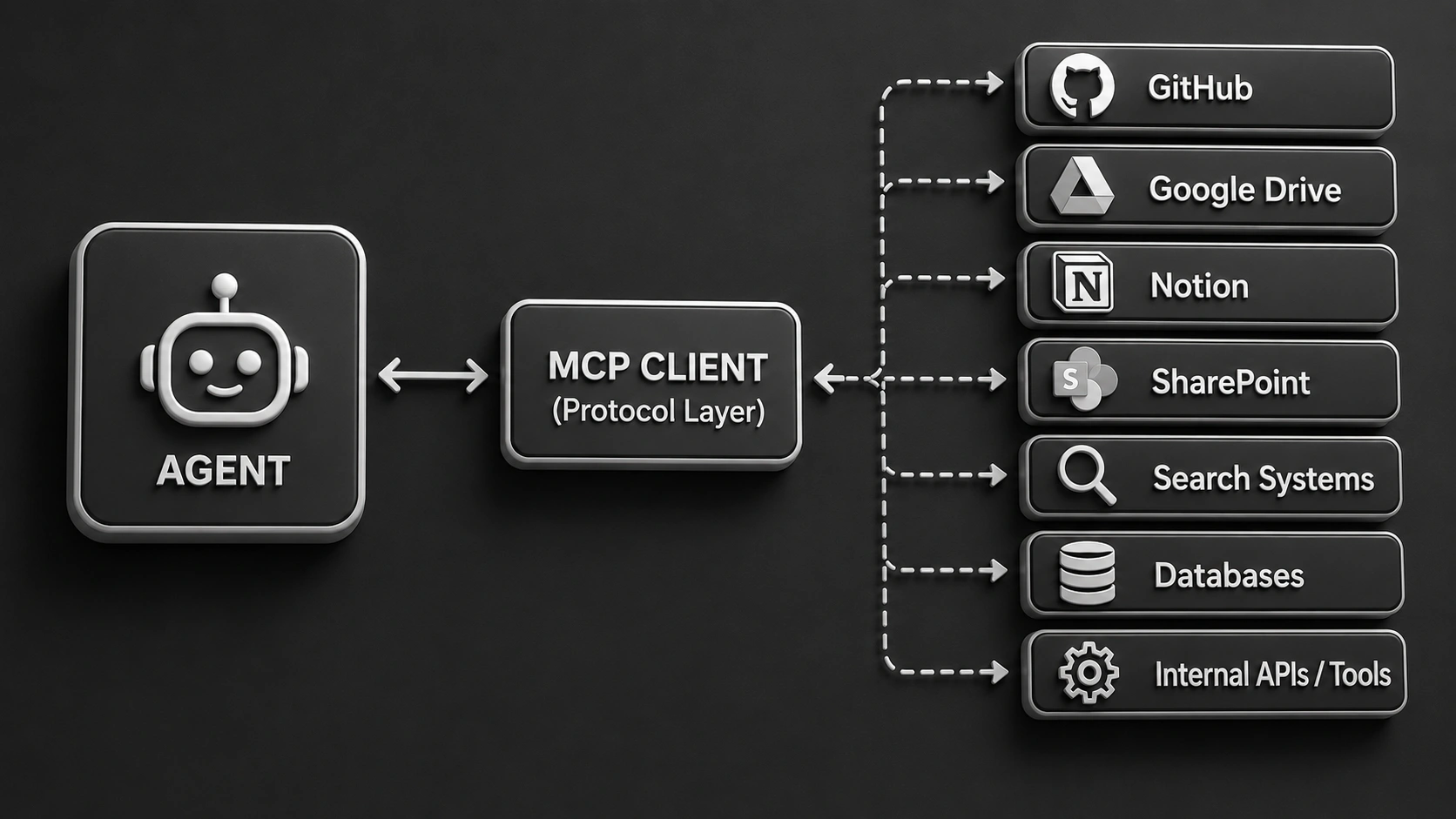
APIs & web services, databases, enterprise applications, MCP connectors and external services.
Short-term, long-term, shared agent memory, session memory and persistent context.
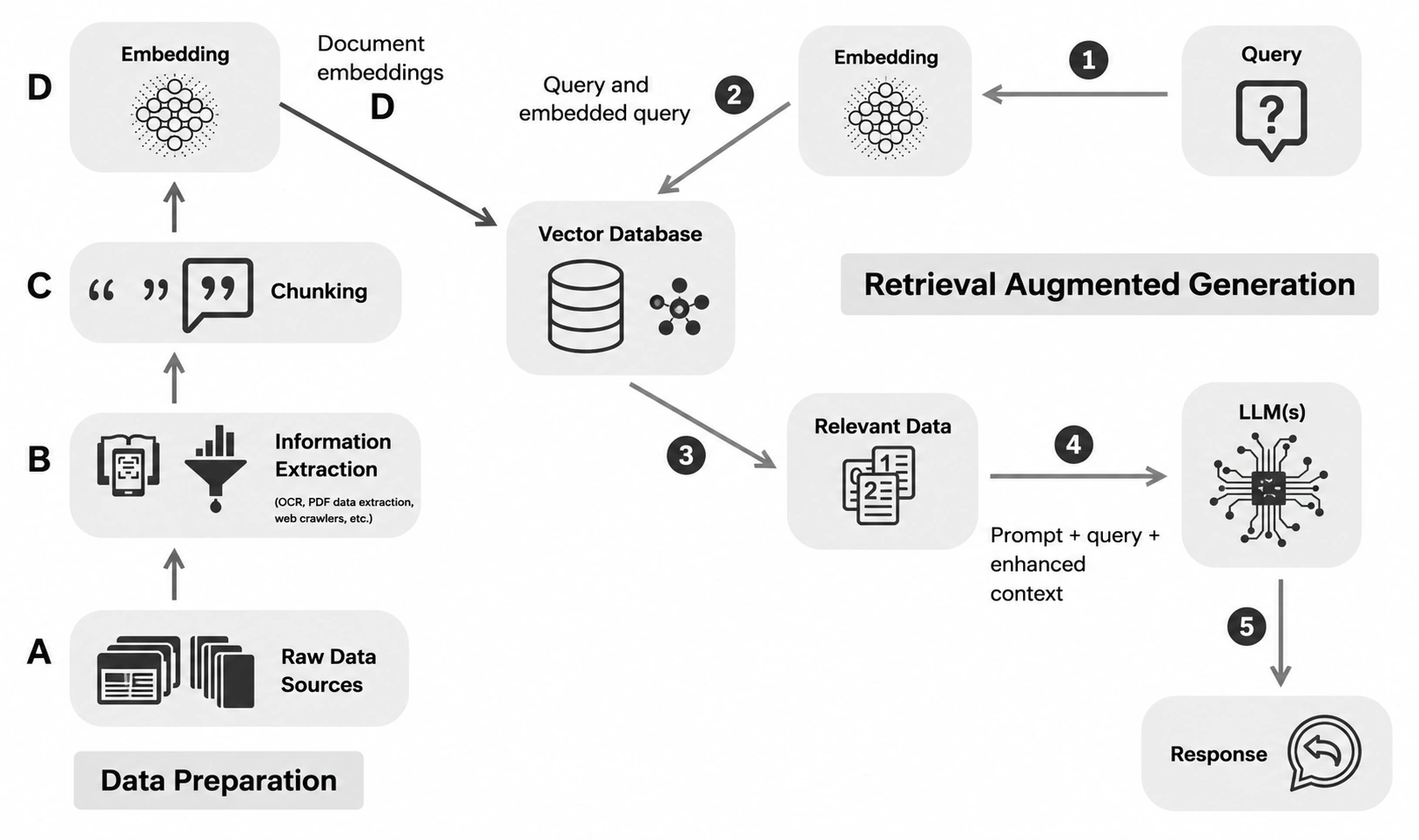
RAG integration, enterprise search, knowledge systems and document understanding.
Chain of thought, logical reasoning, reflection, critique and self-correction.
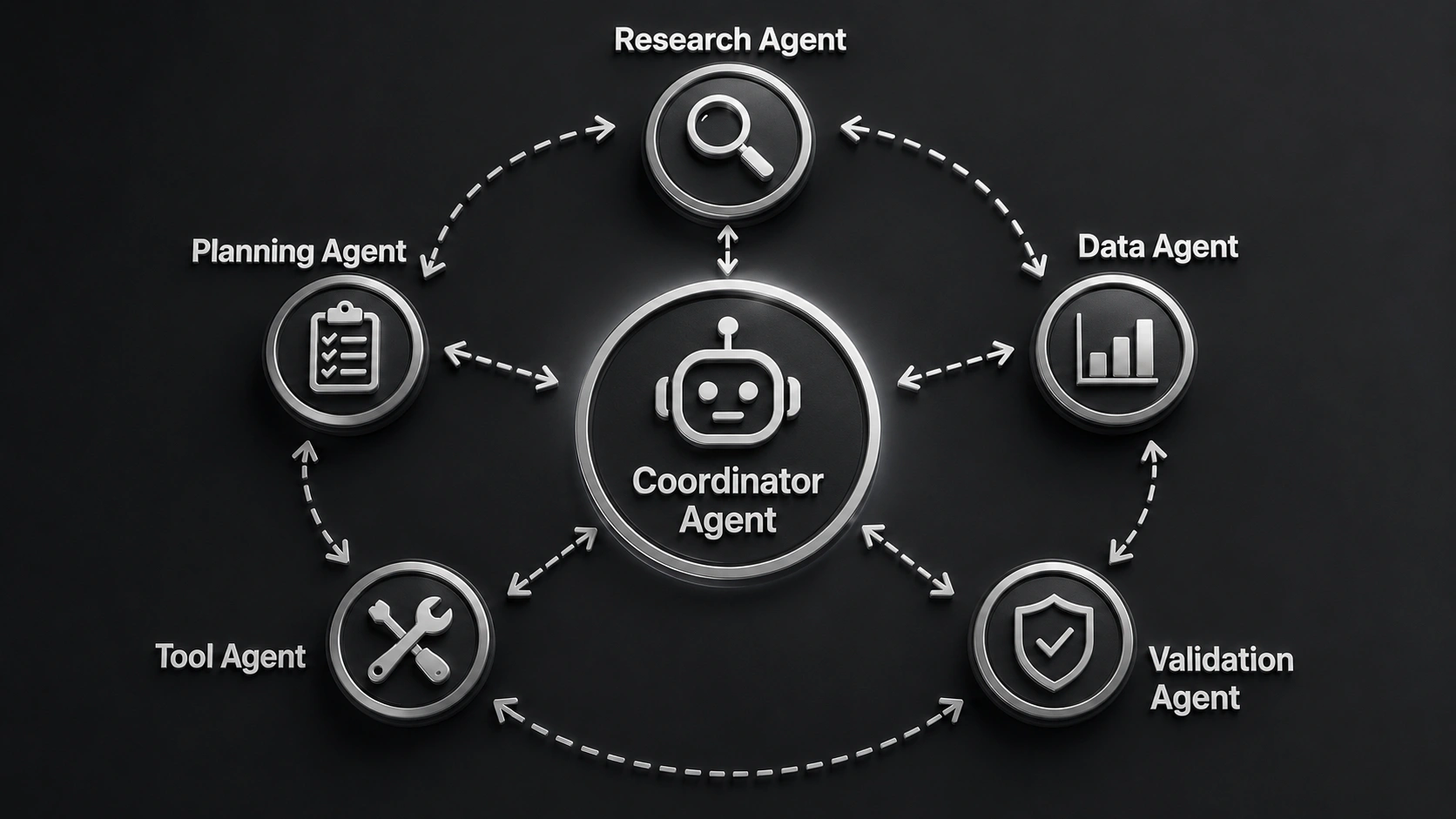
Agent-to-agent comms, task delegation, role specialization and team coordination.
Planner & coordinator, workflow orchestration, worker agents and result aggregation.
Human review, approval workflows, escalation paths and human overrides.
Policies & governance, validation & checks, safety & compliance, security controls.
Tracing & logging, monitoring & alerts, evaluation & metrics, performance insights.
Cloud platforms, containers & K8s, serverless and enterprise platforms.
A standardized way for agents to discover and use enterprise tools and data sources.
A2A enables agents to collaborate, share context and complete complex tasks together — Research, Planning, Data, Tool and Validation agents coordinated by a Coordinator Agent.
Architecture Diagram 1
Architecture Diagram 2
Architecture Diagram 3
Architecture Diagram 4
Architecture Diagram 5
Maintain context within a session (conversation history, intermediate state).
Recent interactions and working memory for current tasks.
Persistent knowledge and facts across sessions.
Memory shared across agents for collaboration and consistency.
Embeddings and vector stores for semantic recall and similarity search.
State graphs, conditional flows, durable execution, human-in-the-loop.
Role-based agents, task delegation, process automation, crew collaboration.
Multi-agent conversation, agent chat, code execution, flexible patterns.
Enterprise-grade plugins & skills, memory & context, multi-language.
Official SDK, tool use, tracing & eval, production ready.
Build with Gemini, agent orchestration, tools & connectors, guardrails.
Pre-built graphs & templates for common use cases.
Ready-to-use flows for automation & collaboration.
Agent chat patterns & multi-agent conversations.
Sample apps using skills, plugins & connectors.
Reference architectures for Gemini-powered agents.
from bedrock_agentcore import Agent Runtime
agent = AgentRuntime(
modelId="anthropic.claude-3-5-sonnet-20240620-v1:0",
tools=["search", "kendra", "lambda"],
memory="session"
)
response = agent.invoke(input_text)
print(response)
agent = AgentRuntime(
modelId="anthropic.claude-3-5-sonnet-20240620-v1:0",
tools=["search", "kendra", "lambda"],
memory="session"
)
# Agent automatically discovers and
# calls enterprise tools as needed
response = agent.invoke("Check open tickets")
agent = AgentRuntime(
modelId="anthropic.claude-3-5-sonnet-20240620-v1:0",
tools=["search", "kendra", "lambda"],
memory="session"
)
# Persistent memory & state managed
# automatically by AgentCore runtime
try:
response = agent.invoke(input_text)
print(response)
except Exception as e:
# Guardrails & observability hooks
# capture and route failures
print(f"Agent error: {e}")
Role-based access, least privilege, secrets management, encryption.
Content filters, PII protection, policy enforcement.
Audit logs, data lineage, regulatory compliance.
Token & model cost tracking, usage analytics, budget alerts.
SLI/SLO monitoring, uptime, failbacks, retries.
Evaluation, feedback loops, model & prompt optimization.
See enterprise agent systems in action. Explore code, architectures and real-world applications built for the enterprise.
A single-agent system leveraging AWS Bedrock with custom tool integrations to dynamically recommend cafes, plan day trips, and coordinate night outs.
Travel agent featuring Knowledge Retrieval, File Search, Bing Grounding, Code Interpreter, and Backend API integrations for weather, flights, hotels, and maps.
An open-source multi-agent collaboration system built on LangGraph, orchestrating specialized agents to retrieve, analyze, and present comprehensive city data.
A Model Context Protocol (MCP) integrated agent using GCP ADK to connect language models with tool repositories and study abroad search APIs.
An Agent-to-Agent (A2A) protocol system built with ADK Agent Engine, orchestrating competitive intelligence and cross-agent business workflows.
An advanced AWS Bedrock agent system utilizing AgentCore and custom Strands for long-term agentic memory, persistence, and execution states.
(4 Repositories) Standalone agents reasoning, planning and taking action across AWS, Azure and GCP.
(2 Repositories) Multi-agent patterns and collaborative systems built with ADK and LangGraph.
(2 Repositories) Agent-to-agent protocols, agent discovery and enterprise tool connectors via MCP.
(1 Repository) End-to-end platform to deploy, monitor and operate agents at scale with AgentCore.
Solving real business problems with agent systems — built for functions, designed for impact.